Apply for Truck Finance Pre-Approval
Tell us about the truck and your business, and we will match you to the structure and lenders that suit your contracts.
Pick the wrong structure and you could claim the GST later than you need to, or carry repayments that outrun your freight income. Compare all five options on ownership, GST, tax and repayments, then apply once.
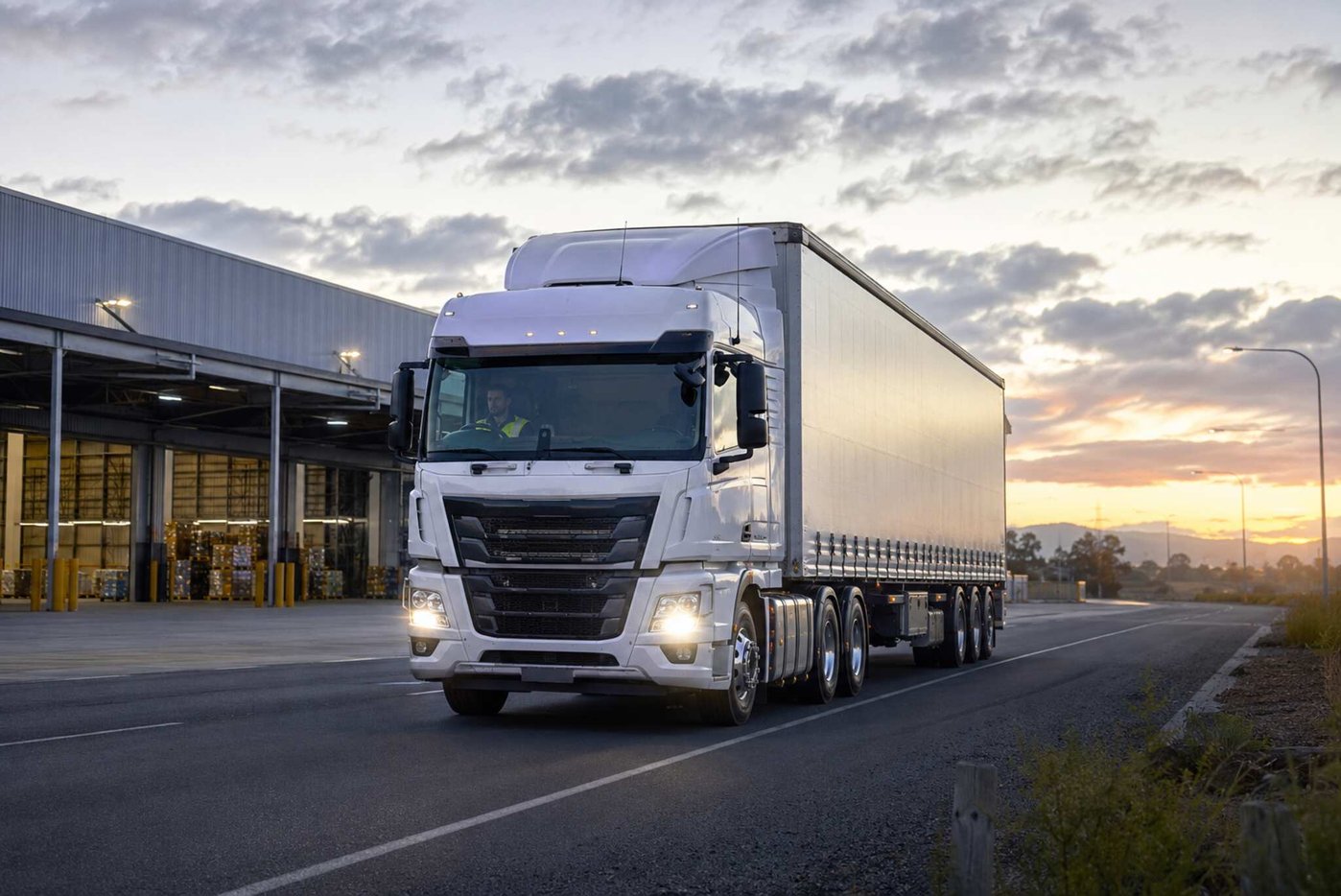
Side by side for prime movers, rigids, tippers and reefers. Buying a specific truck? Start with our truck finance page.
Swipe to compare all five
| Feature | Chattel mortgageWidely used | Hire purchase | Finance lease | Operating lease | Low-doc chattel |
|---|---|---|---|---|---|
| Best for | GST-registered transport businesses | Owner-operators wanting ownership | Lower repayments with a residual at term end | Fleets wanting a fixed refresh cycle | Typically a 2+ year ABN with minimal paperwork |
| Deposit | $0 for prime applications | $0 for prime applications | $0 for prime applications | Set by the lessor | May be required, set by lender |
| Term | 1-7 years | 1-7 years | 2-5 years | 2-5 years | Set by lender |
| GST | Claim upfront if GST‑registered | Claim upfront if GST‑registered | On each payment | On each payment | Claim upfront if GST‑registered |
| Own at end | Yes | On the final payment | Buy for the residual if the lender agrees | Return the truck | Yes |
| Balloon | Optional, set by lender | Optional, set by lender | Residual agreed at the start | None | Set by lender |
| Documents | Financials or BAS | Financials or BAS | Financials or BAS | Financials or BAS | Recent BAS and bank statements |
An illustrative example on a $220,000 prime mover over 5 years, with three ways to structure it.
Indicative only. Repayments calculated at 8.5% p.a. over 60 months, payments in arrears, 29 October 2026. Not a quote or offer. Excludes fees and tax effects; tax outcomes are general information only, confirm with your accountant.
Specialist lenders who understand freight and contract income. Select your industry to highlight the trucks it usually finances.
How each truck type is usually financed, from prime movers to crane trucks.
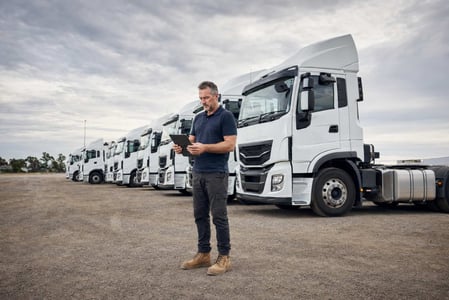
New or used prime movers for linehaul and B‑double work. High loan amounts, often with a balloon to keep repayments down.
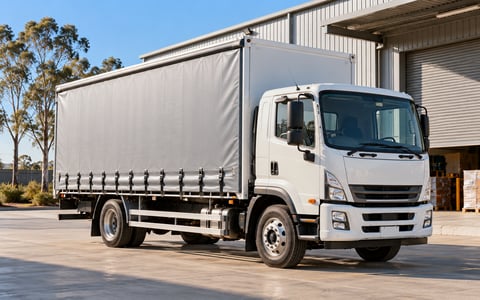
Light, medium and heavy rigids for distribution runs, financed new or used on a chattel mortgage or lease.
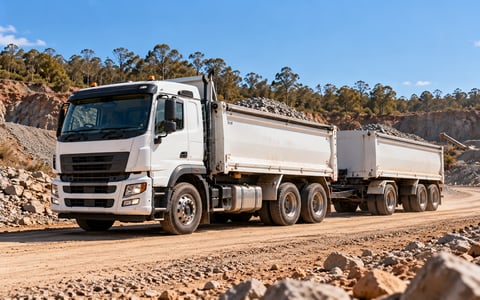
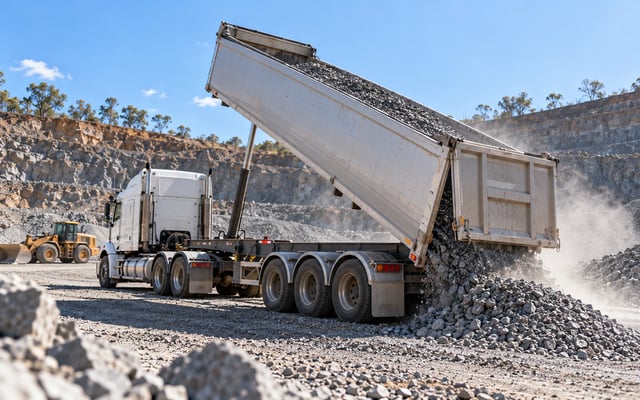
Tippers and truck-and-dog sets for quarry, civil and construction work, often assessed on contract income.
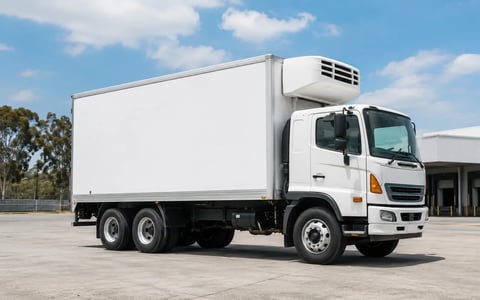
Reefer rigids and pantechs for chilled and frozen freight runs, new or used.
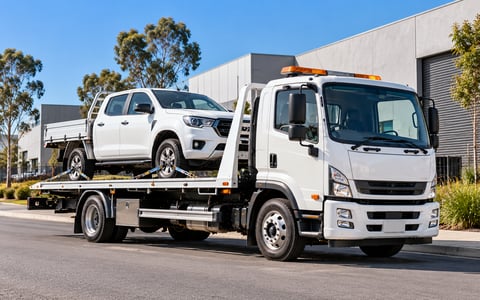
Tow trucks and tilt trays for roadside recovery and vehicle transport, new or used.
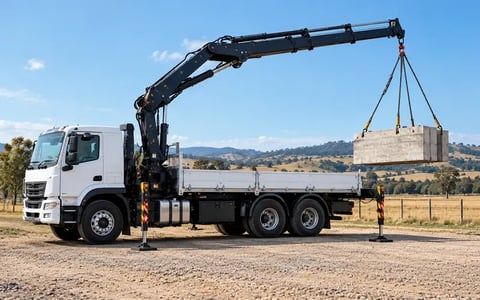
Knuckleboom and truck-mounted cranes for trades, civil and construction contractors.
Banks, dealer finance, specialist truck lenders and finance brokers all offer them.
EF Financial Group Pty Ltd ACN 647 510 790 CRN 530270 Authorised under Australian Credit Licence Number: 389328.

Tell us about the truck and your business, and we will match you to the structure and lenders that suit your contracts.


Straight answers on chattel mortgage, hire purchase, leasing and low-doc finance for trucks.
For most GST-registered Australian transport businesses, a chattel mortgage is the most suitable truck finance option. You own the truck from day one, can typically claim the GST in the purchase price in your next BAS, and can use a balloon to lower monthly repayments over terms of 1 to 7 years. Owner-operators without GST registration may prefer hire purchase, and fleets often choose an operating lease. General information only; confirm the right structure with your accountant.
No single lender offers the best commercial vehicle finance for every business. The right lender depends on your ABN age, credit file, deposit and the vehicle's age and use. Banks often suit established prime applicants, while specialist asset lenders suit newer ABNs, older vehicles and private sales. A broker such as Equifund compares a wide panel of lenders for you before you commit. When you compare offers, look at the total cost (rate and fees), term, balloon, deposit and early payout terms, not just the headline rate.
The difference is ownership. Under a chattel mortgage you own the truck from day one, the lender registers its security interest on the PPSR until the loan is repaid, and a GST-registered business can typically claim the GST upfront. Under a finance lease the lender owns the truck, you make lease payments with GST on each payment, and at the end the residual is payable: you can pay it and buy the truck if the lender agrees, refinance it, or return the truck and settle any shortfall. Confirm the tax treatment with your accountant.
Low-doc truck finance is a chattel mortgage where specialist lenders assess your income on recent BAS and business bank statements instead of full tax returns and financials. It suits established ABN holders who run clean books but have not lodged recent financials. Lenders may ask for a deposit, and limits and terms are set by each lender. Subject to lender assessment.
Used trucks can be financed in Australia, including private sales. Many banks limit how old a truck can be at the end of the loan term, while specialist asset finance lenders consider older trucks case by case, based on your profile and the truck's condition and valuation. Older trucks may need a deposit. Subject to lender assessment.
Most lenders ask for four things: your ABN, how long it has been active and whether the business is registered for GST; the truck details from a dealer quote, invoice or private sale, with the make, model, year and kilometres; recent BAS or business bank statements, with full-doc applications also asking for financials and tax returns; and any current loans or leases, so new repayments can be planned around them. Low-doc options need less. Subject to lender assessment.
Equifund takes one application and matches it to the lenders on its panel that suit your profile, including banks, second-tier lenders and specialist asset finance lenders. Matching looks at your credit, trading history, the truck's age, your deposit and GST status, so you only apply once. Pre‑approval is obligation-free, and fees, rates and terms are set by the lender and confirmed in writing before you sign.
GST registration is not required for truck finance in Australia; sole traders without GST registration can still use a chattel mortgage or hire purchase. GST-registered businesses get the most from either structure, because the GST in the purchase price can be claimed as a credit upfront. Confirm your position with your accountant.
GST-registered operators can generally claim the full GST in the truck's purchase price as a credit upfront: for a chattel mortgage in the BAS for the period of purchase, and for a hire purchase agreement entered into from 1 July 2012 in the period of the first payment or tax invoice, according to the ATO. On a $220,000 GST-inclusive truck, that is $20,000 of GST. Under a lease, GST is included in each payment and claimed as you pay. General information only; confirm with your accountant.
Truck finance costs are generally tax-deductible for the business-use portion. Under a chattel mortgage or hire purchase, the interest portion of repayments and depreciation on the truck are generally deductible to the extent the truck earns income. Under a lease, the lease payments are generally deductible instead. Confirm with your accountant if the truck has any private use.
Trucks are deducted as they decline in value over their ATO effective life. Eligible small businesses with aggregated turnover under $10 million can instead use the simplified depreciation pool, deducting 15% in the first year and 30% of the pool balance each year after, according to the ATO. Assets costing less than the instant asset write-off threshold ($20,000 for eligible small businesses, which the ATO confirms is permanent from 1 July 2026) can be deducted immediately; most trucks cost more, so they go into the pool. Confirm the current year with your accountant.
The lowest pricing generally goes to prime borrowers with strong credit, GST registration, 2 or more years of trading and a deposit. Rates vary by profile and lender, so comparing lenders can help you find a better fit. Look at the total cost, including fees, term and balloon, not just the headline rate. Indicative only, subject to lender assessment.
Lenders set truck finance rates from their own cost of funds, which moves with the RBA cash rate, plus a margin, then adjust for your credit file, time trading, deposit, loan amount, the truck's age and the structure. Published chattel mortgage rates in Australia start from around 7.5% p.a. and can reach 20% p.a. or higher for some borrowers, depending on the credit profile and the asset (money.com.au, October 2026). Business finance often has no comparison rate, so compare the total cost in dollars, including fees, not just the headline rate. Indicative only, not a quote, offer or rate guarantee.
A balloon is a lump sum due at the end of the loan term, a percentage of the price set by the lender based on the term and the truck's age, that lowers your monthly repayments. On a $220,000 prime mover at 8.5% p.a. over 5 years, a 30% ($66,000) balloon brings repayments from about $4,510 to about $3,630 a month. At the end you pay it out, refinance it or trade the truck in. Indicative only, subject to lender assessment.
No-deposit truck finance may be available for prime applications on new and used trucks, subject to lender assessment. Lenders may ask for a deposit if your credit file is impaired, your ABN is newer or the truck is older or bought privately. A deposit can also widen the lender pool and improve the rate offered.
It can be possible. Some specialist non-bank lenders consider truck finance applicants with impaired credit, such as paid defaults or a past bankruptcy, subject to lender assessment. Pricing is higher on these profiles and a deposit may be required.
Pre‑approval is typically issued within 24 hours* once your BAS or bank statements and the truck details are provided, subject to lender assessment. Settlement timing then depends on the lender, the seller and your documents.
Refinancing an existing truck loan can work when your credit or trading position has improved since you took the original loan, subject to any early payout costs on the existing loan. It can reduce repayments, consolidate loans, release equity for a deposit on the next truck or extend the term. Equifund compares your existing loan against the lender panel and only proceeds where the change suits you. Subject to lender assessment.
$0 deposit is available for prime credit applications only.
Typical prime criteria include an active ABN of 2 years or more, GST registration, a clean credit file with no recent defaults or insolvency events, demonstrated trading income supported by BAS or bank statements, and a new or late-model truck purchased through a recognised dealer. Loan-to-value, term, balloon, rate and fees vary by lender, asset type, age and applicant profile. Pre‑approval is an indicative offer only and is subject to a full credit and verification check by the funding lender. The information on this page is general information only and does not take into account your objectives, financial situation or needs. Consider whether it is appropriate for you before acting on it.
*Pre‑approval timeframes are indicative only and subject to lender assessment and eligibility criteria.
Sources: ATO, GST hire purchase and leasing; ATO, small business pool; ATO, $20,000 instant asset write-off; money.com.au, chattel mortgage rates, October 2026. ATO figures last checked 2 November 2026.