What Is a Chattel Mortgage? How It Works in Australia
A chattel mortgage is a secured loan Australian businesses use to buy a vehicle or equipment. Your business owns the asset from settlement, and the lender holds a mortgage over it until the loan is repaid. If your business is registered for GST, you can generally claim the GST in your next BAS. Confirm with your accountant.
30-second eligibility check. No credit check unless you proceed.
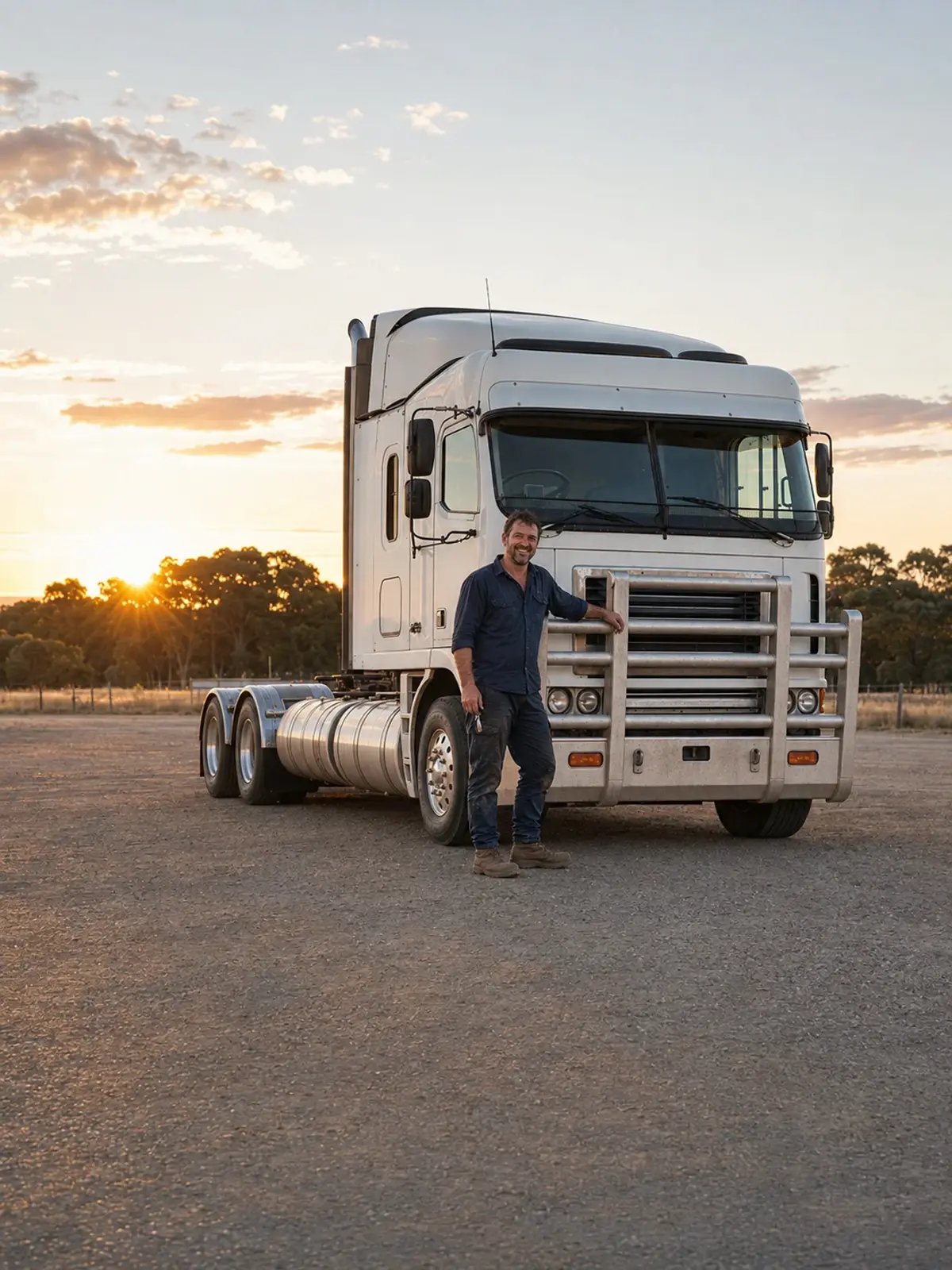
GST example
If registered$20,000
the GST in a $220,000 truck price, one eleventh
Pre-approval
Typically inside 24 hours
- Assets
- New or used, dealer, private or auction
- Paperwork
- Low doc or full doc
- Term
- 1 to 7 years
- Deposit
- $0 for prime applications
Updated 26 October 2026. General information only, not financial or tax advice. Example figures are illustrative.
How Does a Chattel Mortgage Work When Buying Business Equipment?
With a chattel mortgage, the lender pays the seller and your business owns the equipment from settlement. The lender registers a charge over it on the Personal Property Securities Register (PPSR) as security. You repay over 1 to 7 years, with an optional balloon at the end, and the charge is removed after the final payment.
Choose the Asset
New or used, from a dealer, a private seller or an auction, used mainly for your business.
Settle and Register
The lender pays the seller and registers its security on the PPSR, run by the Australian Financial Security Authority. Most lenders ask for comprehensive insurance.
Make Repayments
Regular repayments, usually monthly. A balloon lowers them but is due as a lump sum at the end.
Security Released
After the final payment, the lender removes its PPSR registration from the asset.
Who Owns the Asset in a Chattel Mortgage?
In a chattel mortgage, your business owns the asset from the day of settlement. The lender holds a charge over it on the PPSR as security, so you generally need to pay out the loan before selling. Ownership puts the asset on your balance sheet, where depreciation may be claimable.
What a Chattel Mortgage Looks Like in Numbers
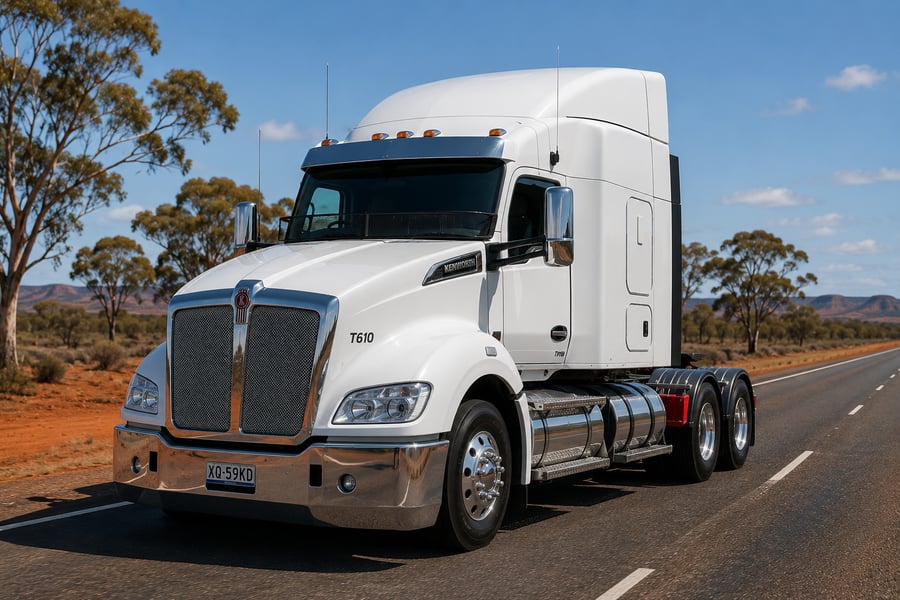 $220,000 incl. GST
A $220,000 Prime Mover on a Chattel Mortgage
A GST-registered transport business buys a prime mover for $220,000 including GST and finances it over 5 years.
- GST in the price (one eleventh), if registered$20,000
- Deposit$0 for a prime application
- Term5 years, balloon optional
- RepaymentsDepend on the rate you are offered
See What You Could Repay
Enter the price, your quoted rate, the term and any balloon. The rate is left blank because yours depends on your profile and the asset.
Estimated monthly repayment
Enter a rate
Add your interest rate to see the estimate.
An estimate only, not an offer of finance. Uses the rate you enter, monthly repayments in arrears and no fees or charges. The GST figure assumes the price includes GST and your business is registered for GST.
Chattel Mortgage, Finance Lease or Hire Purchase?
Each one treats ownership, GST and the end of the term differently.
 This guide
Chattel Mortgage
- Who owns itYour business, from settlement
- GSTGenerally claimable upfront, if registered
- DeductionsInterest and depreciation may be deductible
- End of termPay any balloon and the security is removed
- SuitsGST-registered businesses that want to own the asset
Finance Lease
- Who owns itThe lender, you lease the asset
- GSTIncluded in each lease payment
- DeductionsLease payments may be deductible
- End of termPay the residual, refinance or return the asset
- SuitsBusinesses that upgrade equipment often
Hire Purchase
- Who owns itThe lender, until the final payment
- GSTGenerally claimable upfront too, if registered. Confirm with your accountant
- DeductionsInterest and depreciation may be deductible
- End of termOwnership passes after the final payment
- SuitsBusinesses happy to take ownership at the end of the term
Replace your equipment every few years? An operating lease, where you hand the asset back, may suit better. The chattel mortgage vs finance lease guide goes deeper.
Can You Claim GST on a Chattel Mortgage?
Generally yes. For a GST-registered business using the asset for work, the GST in the price may come back as a GST credit (the ATO calls it an input tax credit) in your Business Activity Statement (BAS) for the period you buy, rather than over the life of the loan. Confirm your position with your accountant.
Claim Requirements
GST is one eleventh of a GST-inclusive price. You generally need a valid tax invoice, and only the business-use share may be claimable.
Depreciation
As the owner, your business may claim depreciation, or the instant asset write off where it applies.
Interest
The interest part of your repayments may be a deductible business expense.
Private Sales and Cars
A seller not registered for GST charges no GST, so there may be no credit to claim. GST credits on passenger cars are generally capped at the ATO car limit.
GST credits and depreciation rules are set by the ATO. Confirm your own position with your accountant. Equifund is a credit broker, not a tax adviser.
What Is a Chattel Mortgage Used For?
Vehicles and equipment your business uses mainly to earn income, across transport, construction, farming and trade, new or used.
Trucks
Finance a single truck or a growing fleet.
Prime movers, rigids, tippers and refrigerated trucks.
Trailers
Add capacity when new contracts come in.
Curtainsiders, flat tops, drop decks and tippers.
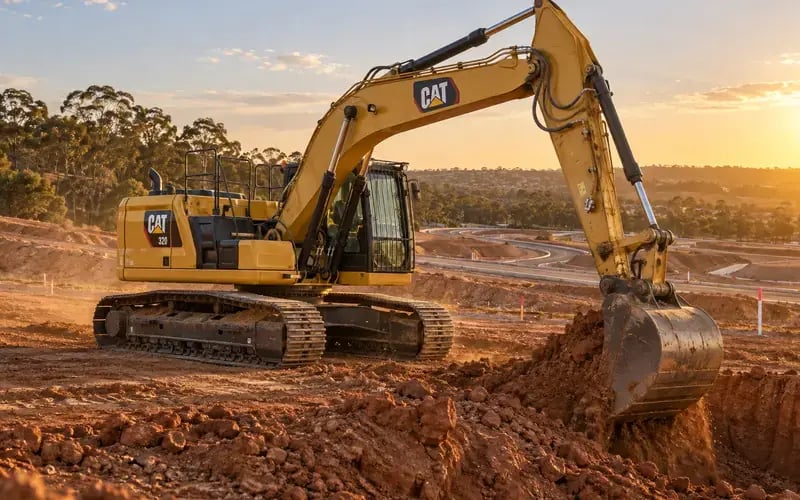
Earthmoving
Machines for civil, quarry and building work.
Excavators, loaders, skid steers and graders.
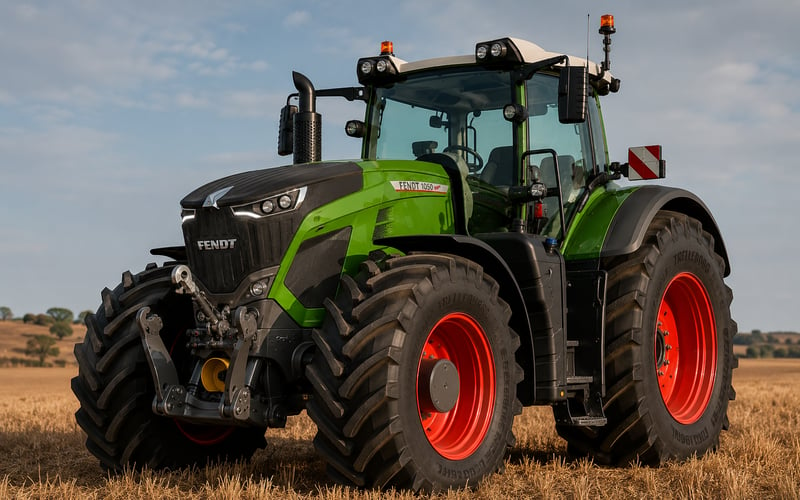
Farm Equipment
Repayments that may be structured around your season.
Tractors, harvesters, sprayers, seeders and balers.
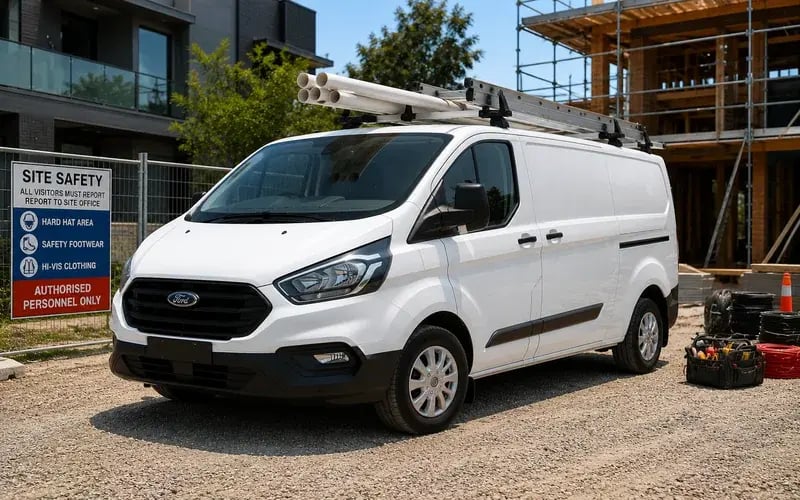
Vans and Utes
Work vehicles for trades, service and delivery.
Vans, utes and cars used mainly for work.

Cranes and Site Machinery
Lifting and site equipment that earns income.
Crane trucks, access equipment and forklifts.
Makes We Commonly Finance
Who Can Apply for a Chattel Mortgage?
Every applicant needs an active ABN and an asset used mainly for business. The paperwork depends on the loan.
Low Doc
For established businesses that want to keep the paperwork light.
- BAS or business bank statements
- Driver licence or other ID
- Details of the asset and seller
Full Doc
For larger loans or newer businesses.
- Financial statements
- Tax returns
- Details of the asset and seller
$0 Deposit
$0 deposit for prime applications, which usually means:
- An ABN active for 2 years or more
- GST registration and a clean credit file
- Trading income shown in BAS or bank statements
- A new or late-model asset from a recognised dealer
Real Chattel Mortgage Settlements
How Australian businesses used a chattel mortgage when a bank template did not fit.
What Our Clients Have to Say
Rated 5.0 on Google. Here is what clients say in their own words. 5.0 ★ · Real Google reviews

Ready to Apply?
Complete the details below to fast-track your finance application.
 Business Details
 Contact Information
 Asset Information
Chattel Mortgage FAQs
Straight answers on ownership, GST, deposits and terms.
What is a chattel mortgage in Australia?
A chattel mortgage is a business loan secured against the vehicle or equipment it buys. 'Chattel' means movable property, so the security is the asset itself rather than real estate. It is available to ABN holders buying assets used mainly for business.
How does a chattel mortgage work when buying business equipment?
You buy the equipment with the lender's funds, own it from settlement and repay over 1 to 7 years. The lender's charge on the PPSR is removed after the final payment.
Who owns the asset in a chattel mortgage?
Your business owns the asset from settlement. The lender only holds a charge over it as security until the loan is repaid.
Can I finance a private sale or auction purchase?
Yes. The lender generally checks the PPSR to confirm there is no existing finance on the asset and pays the seller directly. If the seller is not registered for GST, the price includes no GST, so there is no GST credit to claim.
Can I sell the asset before the loan ends?
Generally yes, once the loan is paid out. Ask the lender for a payout figure, settle it from the sale or your own funds, and the lender releases its PPSR security.
What happens at the end of a chattel mortgage?
Once the final repayment and any balloon are paid, the lender removes its charge from the PPSR and the asset is free of the loan. If a balloon is due, you can usually pay it, refinance it or trade the asset in.
What is the difference between a chattel mortgage and a car loan?
A chattel mortgage is for vehicles and equipment used mainly in a business, while a consumer car loan is for personal use. A chattel mortgage can let a GST-registered business claim the GST and include a balloon. Confirm the tax treatment with your accountant.
Can I get a chattel mortgage on a used vehicle or equipment?
Yes. Lenders generally consider used vehicles and equipment, with terms that depend on the asset's age and condition. Many set a maximum asset age at the end of the term.
Can a sole trader get a chattel mortgage?
Yes. Sole traders, partnerships, companies and trusts with an active ABN can apply, provided the asset is used mainly for business.
What are the downsides of a chattel mortgage?
The asset secures the loan, so it can be repossessed if repayments are missed. A balloon leaves a lump sum due at the end, and as the owner you carry maintenance and resale risk.
Can you claim GST on a chattel mortgage?
Generally yes, in the BAS for the period you buy, if your business is registered for GST and uses the asset for business. Only the business-use share may be claimable. Confirm with your accountant.
Do I need to be registered for GST?
No. You need an ABN and the asset must be used mainly for business, but GST registration is not required. Only GST-registered businesses can claim the GST credit on the purchase.
Is the GST credit on a car capped?
For cars designed mainly to carry passengers, the ATO generally limits the GST credit to the car limit for that financial year. Utes and vans built mainly to carry goods are generally not capped. Check the current limit with the ATO or your accountant.
What is a balloon payment on a chattel mortgage?
A balloon (residual) is a lump sum due at the end of the term. It lowers your regular repayments, but the lump sum still has to be paid, refinanced or covered by trading the asset in.
Is a chattel mortgage better than a finance lease?
It depends on your business. A chattel mortgage often suits businesses that want ownership from settlement and the GST credit upfront. A finance lease may suit businesses that prefer not to own the asset or that upgrade often.
What deposit do I need for a chattel mortgage?
$0 deposit may be available for prime applications, subject to lender assessment. A deposit can reduce your rate and repayments, and some lenders will ask for one depending on your credit, trading history and the asset.
How long is a typical chattel mortgage term?
Terms range from 1 to 7 years depending on the asset type and age. Your broker will suggest a term that balances repayments with cash flow.
Can I pay off a chattel mortgage early?
Usually, yes. Some lenders charge an early termination fee, and fixed rate loans may have break costs. Your broker will explain any payout terms before you sign.
Still Have a Question?
Call our team on 1300 464 805 and an asset finance specialist will talk it through with you.
$0 deposit is available for prime credit applications only. Typical prime criteria include an active ABN of 2 years or more, GST registration, a clean credit file with no recent defaults or insolvency events, demonstrated trading income supported by BAS or bank statements, and new or late-model equipment purchased through a recognised dealer. Loan-to-value, term, balloon, rate and fees vary by lender, asset type, age and applicant profile. Pre-approval is an indicative offer only and is subject to a full credit and verification check by the funding lender. The information on this page is general information only and does not take into account your objectives, financial situation or needs. Consider whether it is appropriate for you before acting on it.
GST and depreciation rules are set by the Australian Taxation Office (ATO). Credit licensing regulated by ASIC. General information only, not personal or financial advice. Fees, terms and eligibility are set by the individual lender and vary by circumstance.