Equipment Finance Broker for Australian Businesses
An equipment finance broker compares a panel of specialist lenders for you, rather than relying on any single lender's credit policy. Equifund arranges equipment finance for Australian ABN holders across transport, construction, agriculture and trades, with BAS and trading income assessed directly. Trucks, trailers, excavators, tractors, vans, utes and general business equipment, funded through a chattel mortgage, finance lease or operating lease.
- Pre-approval inside 24 hours
- $0 deposit for prime applications
- Wide specialist lender panel
- New, used, dealer or private-sale equipment
30-second check. No impact on your credit score.
Choose Your Industry
Choose the category that best describes your finance requirement.
No obligation. Soft credit check only.
Built for Businesses Comparing Lenders, Backed by Specialists
Whether you have already been to your own bank, you are comparing more than one lender, or you simply want someone to run the process for you, Equifund is an equipment finance broker that matches your application to the lenders which read your trading income and asset value correctly.
Who We Help
For businesses that would rather have a panel compared than approach one lender at a time.
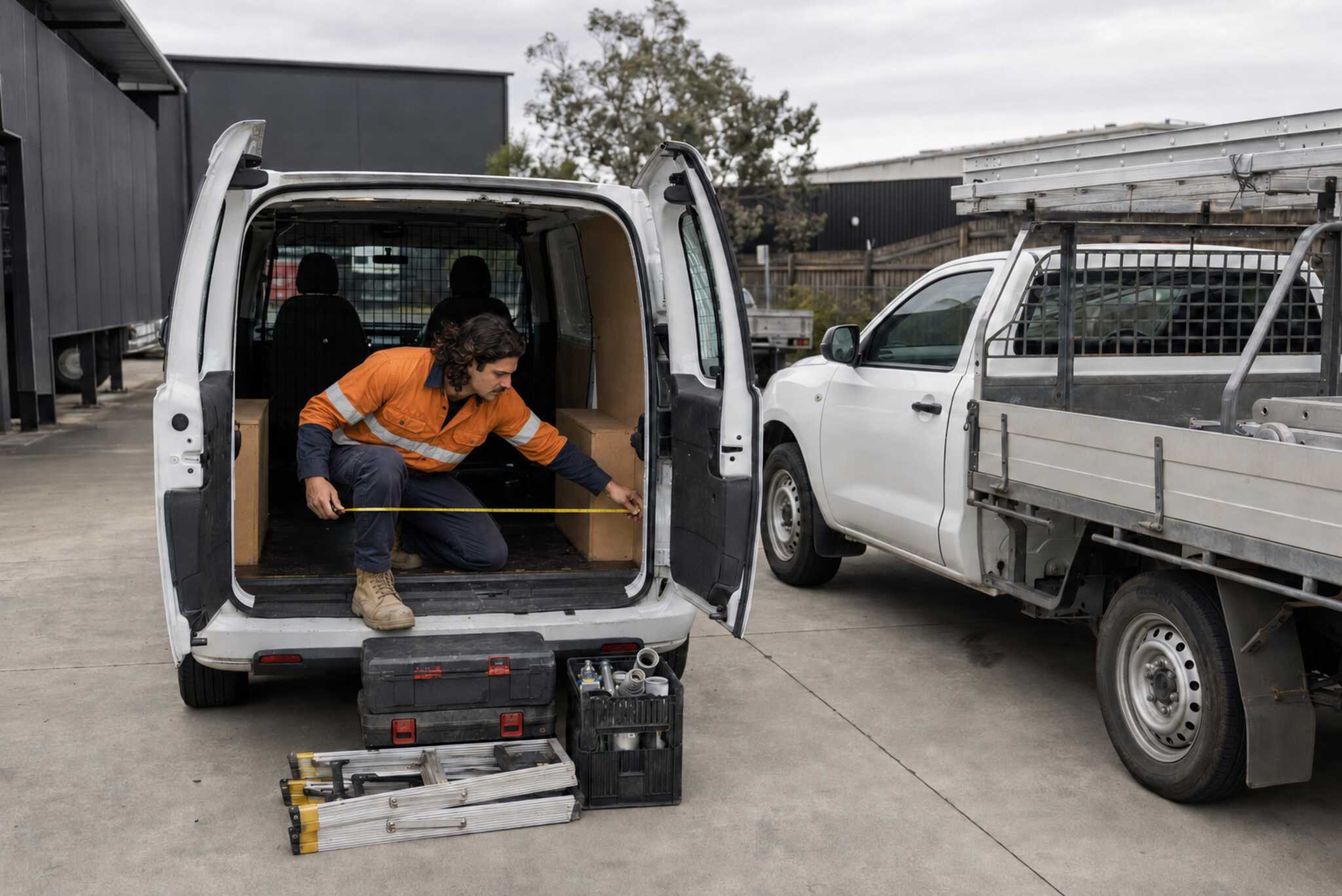 Businesses Comparing More Than One Lender
 Buyers Without Full Financials Ready
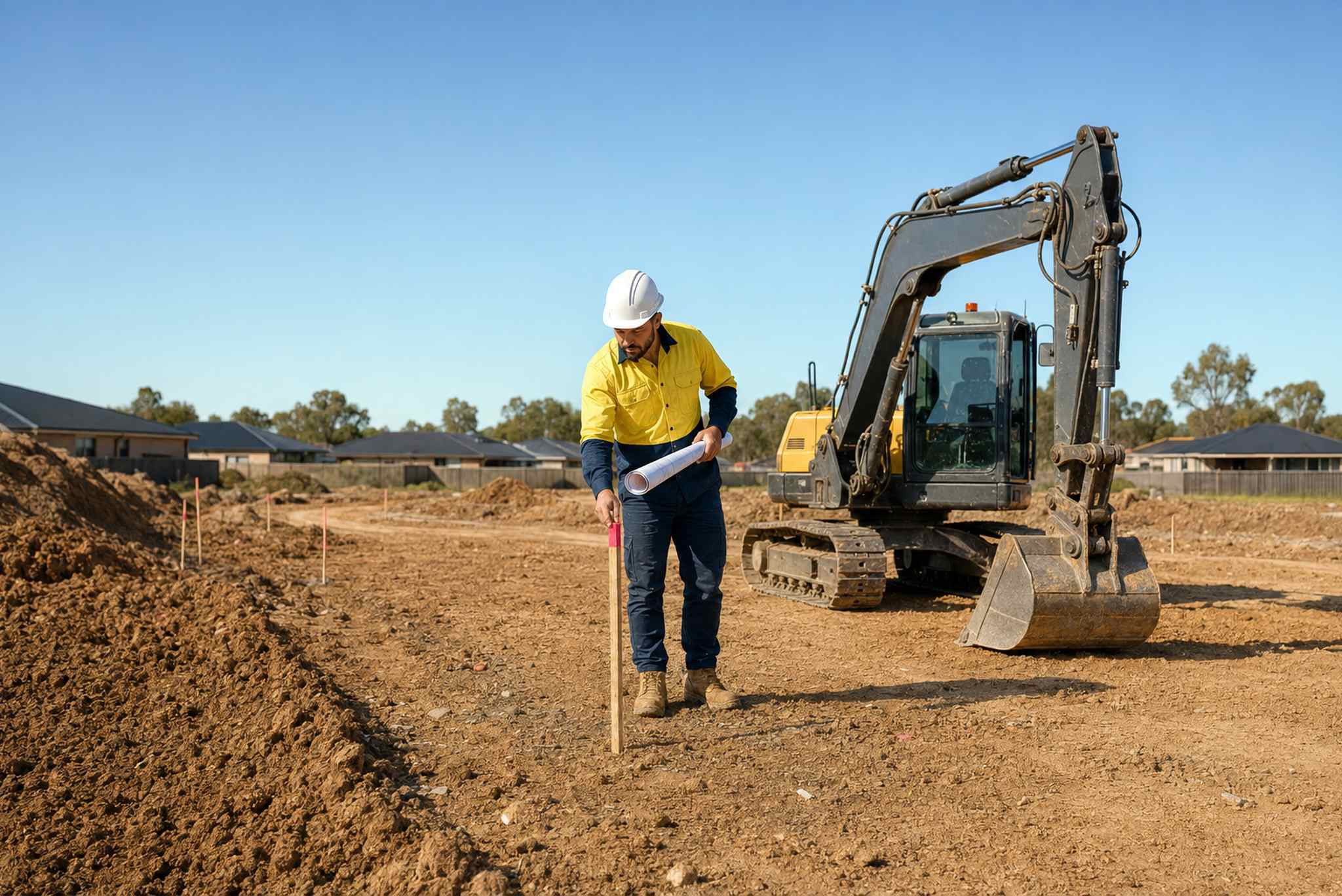 Contractors Financing Site Equipment
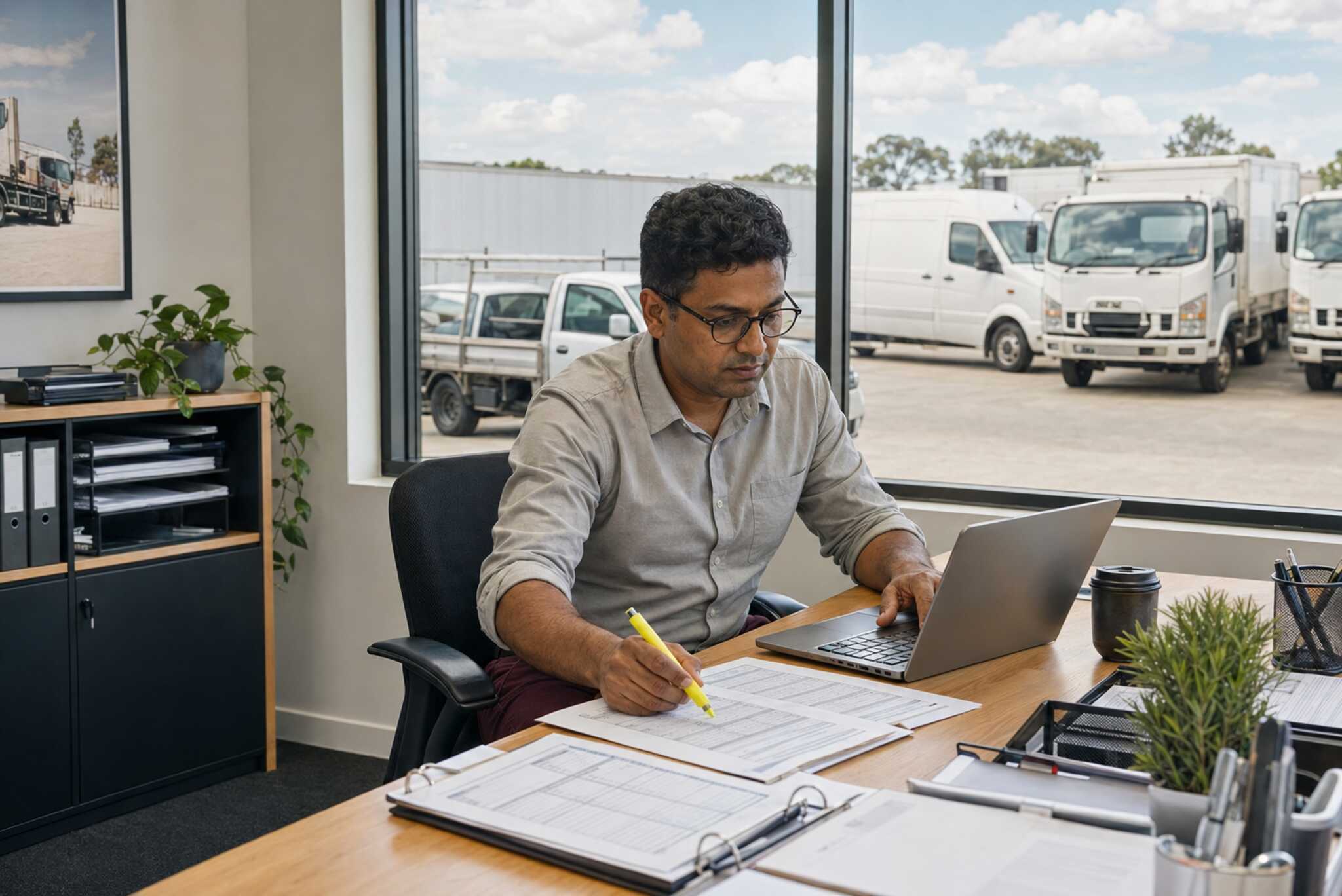 Businesses Refinancing Existing Equipment Loans
Why Choose Us
A broker compares the panel for you, instead of you filling in one form after another.
A Wide Panel of Australian Lenders, Compared in Parallel
Pre-Approval That Keeps Pace With Your Purchase
Trading Income and Asset Value Assessed Directly
Built Around Contract and BAS Income
What Can an Equipment Finance Broker Fund?
As a broker, Equifund places every major commercial asset class with whichever lender on the panel is most comfortable writing that asset.
.png)
Trucks
Prime movers, rigids, tippers and refrigerated units, new or used, placed with lenders that price heavy vehicles properly instead of treating them as generic equipment.
.png)
Trailers
Semi-trailers, dog trailers, tautliners and single-axle trailers, placed alongside a prime mover on one facility or funded as a standalone asset.
.png)
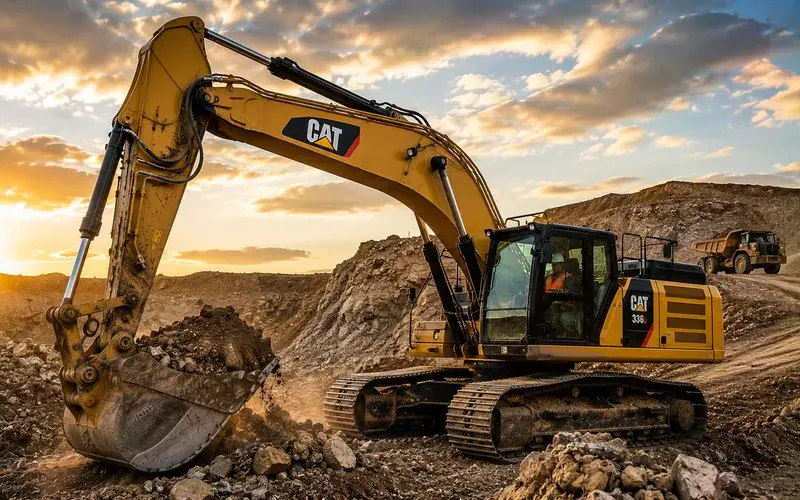
Excavators & Loaders
Excavators, wheel loaders and backhoes for builders and civil contractors, matched to lenders that read a project pipeline as income.
.png?width=349&height=442&name=Rectangle%2052%20(19).png)
Tractors & Farm Equipment
Tractors, harvesters and farm machinery, placed with lenders that will write repayments around planting and harvest rather than a flat monthly cycle.
.png)
Yellow Goods & Earthmoving
Bulldozers, graders, skid steers and other yellow goods for earthmoving and mining, including older units that sit outside some lenders' age policies.
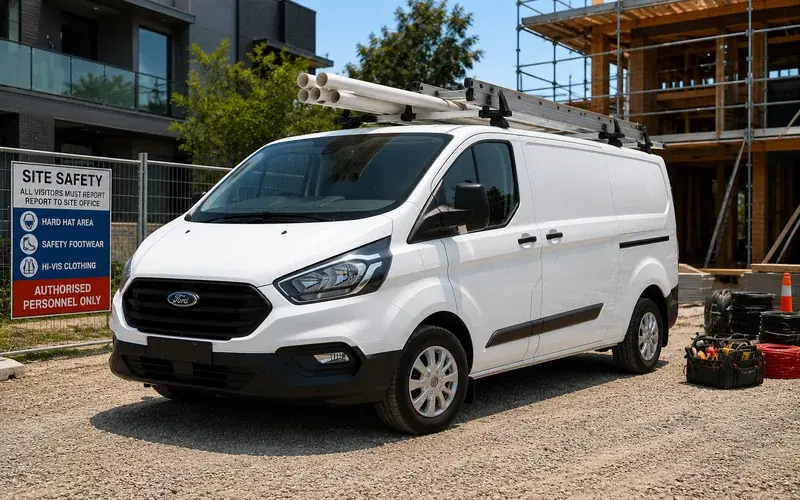
Vans
Delivery vans and light commercial vehicles for trades, courier and service businesses, funded singly or as a fleet on one facility.
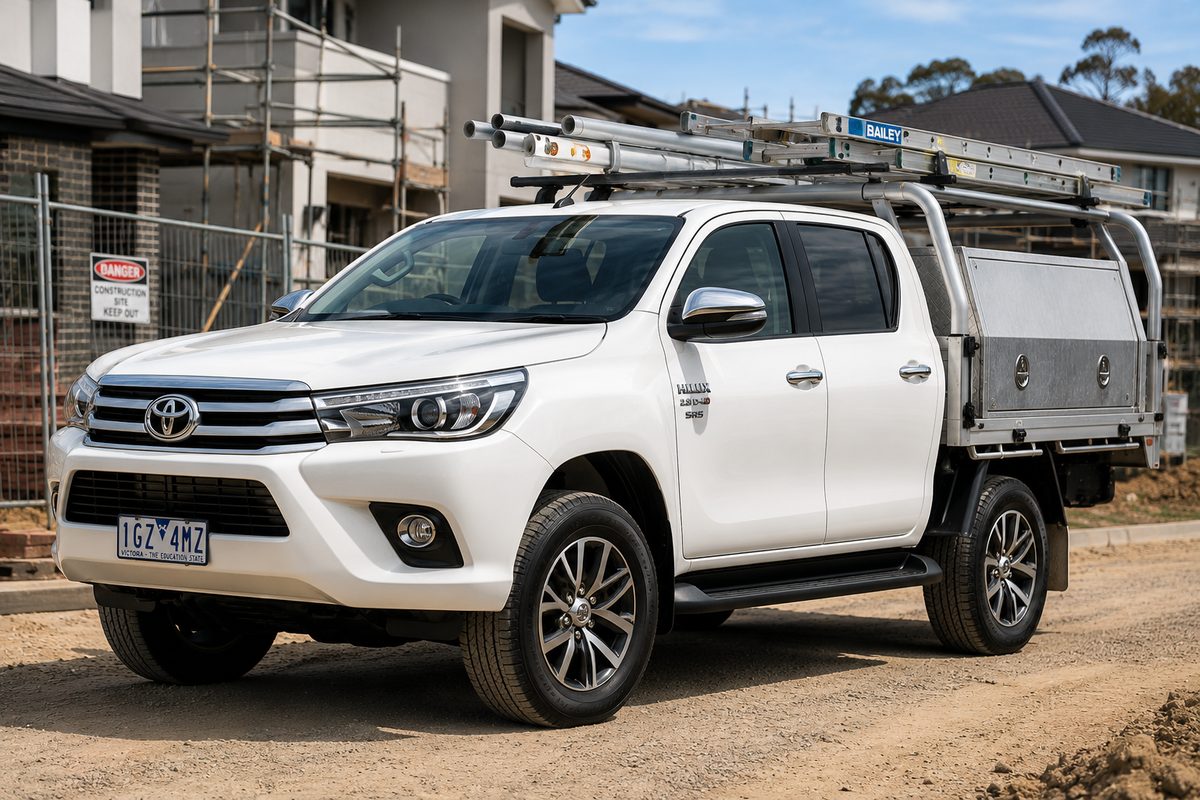
Utes & Business Cars
Utes and business cars for ABN holders, placed with lenders that assess the business rather than treating it as a consumer car loan.
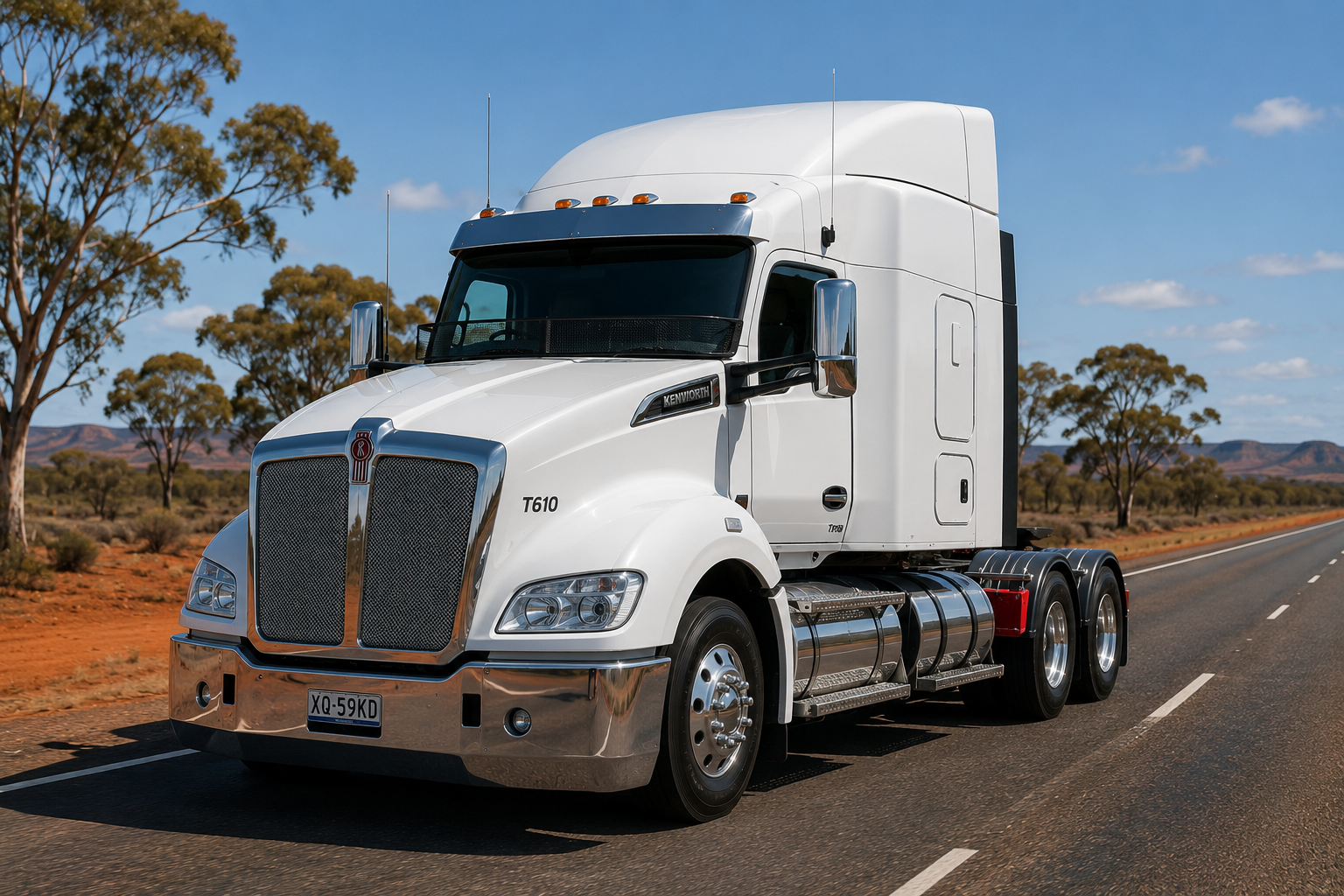
Prime Movers
Prime movers for owner-drivers and fleets running interstate linehaul and heavy haulage, matched on contract income.
Plus cranes, forklifts, buses, generators and specialist attachments. If your equipment is not listed, there is almost always a lender on the panel that writes it.
Which Equipment Finance Structure Is Right for You?
Five structures a broker can place for you, each suited to a different goal and repayment profile. Not every lender writes all five, which is the point of comparing a panel.
Chattel Mortgage
You own the equipment from the day finance settles, while your lender holds a mortgage over it as security until the loan is repaid. It is the most requested structure for GST-registered businesses, since you can typically claim the GST back on the purchase price straight away and depreciation runs through your own business. Most business equipment is not classed as a car for ATO purposes, so it generally is not subject to the car cost limit, meaning the full purchase price is typically deductible. A balloon payment can be added to lower your regular repayments if that suits your repayment profile better.
Hire Purchase
The lender owns the equipment for the life of the agreement and you make fixed repayments to use it, with ownership transferring to you once the final payment clears. It suits businesses that want the certainty of a fixed repayment structure.
Finance Lease
Your lender retains legal title to the equipment for the term of the lease while you use it in your operation, making regular lease payments that are typically fully tax deductible. At the end of the term you can make an offer to buy the equipment, refinance the residual, or hand it back, giving you flexibility if your equipment needs change with your contracts.
Operating Lease
You pay to use the equipment for an agreed term, and your lender carries the risk of its residual value, not you. It suits businesses that like to keep their equipment current, since bundled servicing is often included and you simply hand the equipment back and roll into a newer unit when the term ends.
Unsecured Business Loan
Funds are assessed against your business's trading position rather than security over the equipment itself, so you can move quickly on a private sale or older asset a traditional lender might decline. It typically comes with a shorter term, and settlement timing depends on the lender's assessment of your trading history.
Depreciation and car cost thresholds set by the ATO. Credit licensing regulated by ASIC.
Why Businesses Use a Broker for Equipment Finance
Three common routes to funding a purchase. What separates them is how many lenders actually see your file, how much of the work sits with you, and whether each lender runs its own credit check.
Equifund (Equipment Finance Broker)
Built around your deal
- Pre-approval often inside 24 hours
- Reads trading income and asset value directly
- $0 deposit on prime applications
- One application across a specialist lender panel
- New, used, dealer, private-sale or auction
Your Own Bank
Traditional lending
- Assessed against one credit policy
- Full financials and property security often required
- Specialist assets can fall outside policy
- One product, limited structure flexibility
Dealer or In-house Finance
Arranged at the point of sale
- Convenient, arranged with the purchase
- Usually tied to that dealer's own funder
- Limited to that dealer's stock and brands
- Less room to structure around your tax position
Applying to Lenders Yourself
Direct, one at a time
- Full control over who you approach
- A separate application for each lender
- Each lender may run its own credit check
- No single view to compare what comes back
Clear Terms. No Unnecessary Complexity. Fast Outcomes.
One application, compared across the panel, then matched to the lender most likely to fund it.
Complete the Form in 60 Seconds
Tell us about your business and the equipment you are buying. One form covers every lender we approach on your behalf.
Speak With an Equipment Finance Broker
An Australian equipment finance broker reviews your file and works out which lenders on the panel are a realistic fit before anything is submitted.
Get Pre-Approved Over the Phone
You'll have a clear pre-approval often within 1 business day, with the term and repayment structure set by the lender that actually fits, not by a single standard product.
Settle the Loan and Take Delivery
Your broker holds the matched offers side by side, then coordinates settlement with the dealer, private seller or auction house.
Deals Our Equipment Finance Brokers Placed
Recent settlements Equifund placed across a specialist lender panel, including deals placed where the first lender approached was not the right fit.
Beyond Equipment Finance, What Else Can We Fund?
Equipment finance is one part of what we do. Explore Equifund's other finance solutions, or jump straight to your specific asset type below.
.png?width=350&height=442&name=Rectangle%2052%20(20).png) Trucks
Trucks.png?width=350&height=442&name=Rectangle%2052%20(17).png) Semi-Trailers & Trailers
Semi-Trailers & Trailers.png?width=350&height=442&name=Frame%202147227772%20(2).png) Refrigerated Trucks
Refrigerated Trucks.png?width=350&height=442&name=Rectangle%2052%20(16).png) Excavators & Loaders
Excavators & Loaders.png?width=350&height=442&name=Rectangle%2052%20(15).png) Cranes & Site Machinery
Cranes & Site Machinery.png?width=350&height=442&name=Frame%202147227772%20(3).png) Trailer TrucksTractors & Harvesters
Trailer TrucksTractors & Harvesters.png?width=350&height=442&name=Rectangle%2052%20(21).png) Yellow Goods
Yellow Goods.png?width=350&height=442&name=Rectangle%2052%20(18).png) Skid Steers & Access EquipmentTrucksSemi-Trailers & TrailersRefrigerated TrucksExcavators & LoadersCranes & Site MachineryTrailer TrucksTractors & HarvestersYellow GoodsSkid Steers & Access Equipment
Skid Steers & Access EquipmentTrucksSemi-Trailers & TrailersRefrigerated TrucksExcavators & LoadersCranes & Site MachineryTrailer TrucksTractors & HarvestersYellow GoodsSkid Steers & Access Equipment-1.png?width=842&height=1023&name=Frame%202147227966%20(2)-1.png)
Apply Through an Equipment Finance Broker
Three quick steps. An Australian equipment finance broker gets back to you the same business day.
 Business Details
 Contact Information
 Asset Information
What Our Clients Have to Say
Rated 5.0 on Google by Australian businesses for fast pre-approvals, flexible terms and specialist service. 5.0 ★ · Real Google reviews
Equipment Finance Broker Questions, Answered
Straight answers to what Australian businesses ask most about using an equipment finance broker.
What equipment can an equipment finance broker arrange finance for?
An equipment finance broker can arrange finance for trucks, trailers, excavators, loaders, tractors, farm machinery, yellow goods, vans, utes and general business equipment. Because the application goes to a panel rather than a single lender, new, used, dealer, private-sale and auction purchases are all in scope, including asset types that not every lender will write.
How much can I finance for business equipment?
Most equipment facilities we arrange fall between $58,000 and $210,000. Recent settlements include a dual-cab ute at $58,000, a three van delivery fleet at $96,000, a 20-tonne excavator at $155,000 and a tractor with an air seeder at $210,000. Larger machinery and fleet facilities run higher, up to $620,000 on recent settlements. A broker matters here because the ceiling is set by the lender that best fits your file, not by whichever lender you happen to bank with.
Should I use an equipment finance broker or go straight to my bank?
An equipment finance broker compares a panel of specialist lenders in parallel, where any single lender can only assess you against its own credit policy. Equifund is a licensed finance specialist, Australian Credit Licence 389328, and arranges finance across a wide specialist lender panel rather than lending directly. You apply with your ABN, we assess the business and the asset, then match you across a wide panel of specialist lenders, with pre-approval typically inside 24 hours.
Do I need a deposit?
Deposit requirements vary by lender, which is the practical reason to compare a panel. $0 deposit is available on prime applications, particularly for established businesses with active contracts. Where one lender asks for a contribution another may not, and finding that difference before you commit is the broker's job.
Can I finance used or ex-fleet equipment?
Yes, used, ex-fleet, dealer demo and private-sale equipment can all be financed in Australia. This is where comparing a panel helps most: some lenders apply firm age cut-offs, while specialist lenders on a panel assess condition, hours or kilometres and service history instead.
Does an equipment finance broker cover all of Australia?
Yes, Equifund arranges equipment finance in every Australian state and territory, from metro to regional and remote areas.
What does a commercial asset finance broker do?
A commercial asset finance broker takes one application and places it with the lender most likely to fund that asset on the best structure for your business, rather than you applying to lenders one at a time. The broker reads your trading position, matches the asset to a lender's credit appetite, and handles the paperwork through to settlement. Equifund holds Australian Credit Licence 389328 and arranges finance across a panel of specialist lenders rather than lending directly.
How do I choose a commercial asset finance broker?
Judge a commercial asset finance broker on four things. First, the breadth of the lender panel, because a single-lender relationship is just one credit policy. Second, whether they fund your asset class routinely, since equipment, trucks and yellow goods are assessed very differently. Third, how they read your income, because contract, seasonal and BAS income need a lender that scores them directly. Fourth, licensing: check the Australian Credit Licence number and that the broker is open about which lender the deal is going to.
What is the difference between a chattel mortgage, hire purchase and lease?
A chattel mortgage gives you ownership from day one and the GST benefit upfront. Hire purchase spreads ownership over the term. With a lease, the lender retains legal title to the equipment and you make set payments, with an optional residual. A broker's value here is matching the structure to your tax position and to the lender most comfortable writing it, rather than defaulting to whichever single product is offered first.
Can repayments be structured around seasonal income?
Yes, equipment repayments can be structured around seasonal income, with seasonal and skip-month structures common for businesses whose income runs against harvest, project or contract cycles. Not every lender offers them, so a broker filters the panel down to those that do before the application goes anywhere.
Can I claim the instant asset write-off or GST on equipment?
Most business equipment is not classed as a car for ATO purposes, so it generally is not subject to the car cost limit, and a chattel mortgage lets you claim the GST upfront. Your accountant should confirm your position and the current write-off thresholds. Where the lender allows it, a broker can also time settlement around your financial year.
Can I refinance or do a sale-and-leaseback on equipment I already own?
Yes, equipment you already own can be refinanced or funded through a sale-and-leaseback. Refinance can restructure a balloon or the term that is falling due, and sale-and-leaseback releases equity in equipment you own outright to fund the next purchase. Appetite for both varies widely between lenders, which is exactly what a panel comparison is for.
Do balloon or residual payments work on equipment finance?
Yes, balloon and residual payments are available on equipment finance, lowering your monthly repayment by deferring part of the value to the end of the term. Lenders differ on the maximum balloon they will allow against a given asset age, so a broker sets it against your replacement cycle rather than against the first offer on the table.
How long does equipment finance take to settle?
Pre-approval typically comes back inside a business day. Settlement happens once you have signed contracts and any final lender conditions are met. Running one application across a panel in parallel is usually faster than approaching lenders one after another, because specialist lenders read trading income and contracts directly.
Can I get equipment finance with a short trading history?
Yes, a business with a short trading history can get equipment finance in Australia when specialist lenders assess the contract, the asset and your industry experience rather than requiring years of trading.
Can I get pre-approved before I've signed a contract?
Yes, you can be pre-approved before signing a contract. A conditional pre-approval lets you quote work and commit to equipment knowing the finance is in place, then settle once the contract is signed. Holding a broker pre-approval also gives you a benchmark to hold any dealer or in-house offer against.
Can I finance multiple pieces of equipment or a whole fleet?
Yes, multiple pieces of equipment or a whole fleet can be financed together. Mixed-asset packages are funded under a master facility rather than as separate loans, which simplifies repayments and reporting. They are also where one credit policy is least flexible, because every asset is judged on the same terms instead of matched to the lender that suits it.
What do I need to give an equipment finance broker to start?
An active ABN, recent BAS or bank statements, the equipment details and any contract or purchase order. That is materially less work than preparing a separate application for each lender, because a broker uses one set of documents to approach several. We will confirm exactly what your lender match needs after a quick call.
Is this consumer finance or property finance?
Neither. This is commercial asset finance for ABN-trading businesses acquiring business-use vehicles, equipment, plant and machinery. We do not arrange consumer car loans, personal asset loans, home loans, or commercial real-estate finance. If you are after a personal vehicle loan or a home loan, you will need a different lender.