
Key Takeaways
- What it is: truck finance lets Australian businesses buy a truck and repay it over 1 to 7 years instead of paying upfront.
- Most common structure: a chattel mortgage, where you own the truck and the lender holds security, with potential GST and depreciation benefits.
- Indicative rates: broadly 6.75% to 12% depending on the asset, term and your profile (RBA cash rate held at 4.35% in June 2026).
- Who qualifies: established operators with a 2+ year ABN, a clean repayment history and a truck that earns income.
- The Equifund edge: a wide panel of specialist lenders, 24-hour pre-approval and no credit-score impact to get a rate.
Written and reviewed by the Equifund credit team, commercial asset finance specialists. Equifund Financial Group, Australian Credit Licence 389328.
Truck finance is an essential component for many Australian businesses, especially those in the transportation, logistics, and construction industries. Whether you’re a sole trader, a small business, or a large corporation, securing the right truck finance can enable you to grow your fleet, maintain operational efficiency, and keep more cash in the business. However, navigating truck finance can be complex, with different options, eligibility criteria, and terms available.
This comprehensive guide will walk you through everything you need to know about truck finance in Australia. We’ll cover the different types of truck finance, how to qualify for a loan, key considerations such as interest rates and repayment terms, and common mistakes to avoid. We will also delve into truck finance options available in major cities like Sydney, Melbourne, Canberra, Brisbane, Perth, and Adelaide, helping you make an informed decision tailored to your specific location.
Truck Finance Calculator
Estimate your repayments across different loan amounts, terms and structures. Getting a rate does not affect your credit score.
Open the full Finance Calculator →
What is Truck Finance?
Truck finance is a financial solution that allows businesses to purchase trucks or related equipment without having to pay the entire cost upfront. Instead, you borrow the money from a lender, and in exchange, you make regular payments over an agreed period until the loan is fully paid off. At the end of the loan term, depending on the finance structure, the vehicle may belong to you or remain the property of the lender.
There are several types of truck finance available in Australia, including Chattel Mortgages, Leases, and Hire Purchase agreements. The type of finance you choose depends on your business’s financial situation, the truck’s use, and whether you want to own the truck at the end of the term.
Eligibility for Truck Finance
When applying for truck finance in Australia, lenders will assess several factors before approving your loan. The common eligibility criteria include:
-
Business History: Lenders will want to see a history of financial stability. This includes a track record of generating revenue, paying off previous loans, and keeping the business in a healthy financial position.
-
Credit Score: A good credit score will significantly increase your chances of getting approved and receiving a lower interest rate. While many lenders accept lower credit scores, it may result in higher interest rates or stricter loan terms.
-
Age of Business: If you’re a new business or a sole trader, getting approved for truck finance might be more challenging, but it’s not impossible. Established businesses with a solid track record of managing debt and maintaining financial records will typically have better chances.
-
Financial Statements: Lenders will also review your financial statements, including income statements, balance sheets, and tax returns. This helps them understand your business's financial position and your ability to repay the loan.
Truck Finance by City: Sydney, Melbourne, Brisbane, Perth, Adelaide and Canberra
The finance structures are the same nationwide. What changes city to city is the work behind the truck, the fleet profile and the trading history lenders want to see.
- Truck finance in Sydney: geared to urban logistics, freight and last-mile delivery, where fast-moving, high-demand work suits flexible finance.
- Truck finance in Melbourne: built for manufacturing and interstate long-haul, where larger fleets carry higher operating costs.
- Truck finance in Brisbane: a mix of short regional runs and long-distance haulage, from a single rig to a growing fleet.
- Truck finance in Perth: shaped by mining, agriculture and remote long-haul, where heavy-duty vehicles and interstate distances drive the asset choice.
- Truck finance in Adelaide: supporting manufacturing and agriculture, moving goods across the state and beyond for small operators and fleets alike.
- Truck finance in Canberra: focused on local delivery and government contract work, where lenders weigh steady trading and business longevity.
Types of Truck Finance Available
Australia offers several types of truck finance, each with distinct advantages. Here are the most common options:
-
Chattel Mortgage
-
Chattel Mortgage is a popular truck finance option where your business purchases the truck outright, but the lender holds a mortgage over the vehicle until the loan is paid off. Once the loan term concludes, the truck belongs to you.
-
Pros: You own the vehicle, which can be an asset for your business, and you may be able to claim GST back on the purchase price.
-
Cons: This option requires a larger upfront cost compared to other finance options, and you’ll need to provide collateral to secure the loan.
-
-
Lease
-
A Lease is an agreement where you lease the truck from a finance company for a fixed period. At the end of the lease, you may have the option to purchase the truck, renew the lease, or return the vehicle.
-
Pros: Lower upfront costs and flexible terms. Ideal for businesses that need the truck for a fixed period.
-
Cons: You do not own the truck during the lease term, and there may be restrictions on how you can use the vehicle.
-
-
Hire Purchase
-
A Hire Purchase agreement is similar to a lease, but at the end of the contract, you own the vehicle. You can choose to buy it outright or pay a nominal amount to transfer ownership.
-
Pros: Fixed monthly payments and the ability to own the truck after the term. You can claim depreciation on the asset.
-
Cons: It may be more expensive than other options due to interest rates, and there is typically a larger upfront deposit required.
-
Interest Rates and Loan Terms
Truck finance interest rates in Australia can vary significantly depending on the lender, your business’s creditworthiness, and the type of finance option chosen. On average, interest rates range from 6.75% to 12%. These ranges are indicative and move with the asset, term and your trading profile. As a reference point, the RBA held the cash rate at 4.35% in June 2026, so well-qualified, established operators tend to sit toward the lower end. However, businesses with excellent credit scores and a solid financial record can often secure rates as low as 6.75%.
Loan terms typically range from 1 to 7 years, depending on the value of the truck and the type of finance you choose. The longer the loan term, the lower the monthly repayments, but this can result in higher interest costs over the life of the loan.
Rate environment current as at August 2026: the RBA cash rate is 4.35%, held unchanged at the 11 August 2026 meeting, per the Reserve Bank of Australia. Indicative finance rates move with the cash rate, the asset and your trading profile, and are confirmed at quote stage.
Understanding Loan Repayments
Your monthly repayments will depend on several factors, including the loan amount, interest rate, and loan term. Your repayments are generally fixed, which makes budgeting easier over the term.
To calculate how much you can afford to borrow, consider using an online truck finance calculator available on Equifund's website. Many lenders also offer flexible repayment terms that can be adjusted around your income and seasonal business needs.
Common Mistakes to Avoid When Financing Your Truck
While truck finance can be a great option for many businesses, it's important to avoid common mistakes to ensure you don't end up paying more than necessary. Here are some mistakes to avoid:
-
Not Comparing Lenders: The biggest mistake is not comparing finance options. Lenders offer different interest rates, fees, and terms, so it's essential to shop around and find the best deal. Consider talking to a finance broker who can help you find the best options for your specific needs.
-
Overestimating Your Ability to Repay: While it’s tempting to borrow as much as possible to get the best truck, make sure you only borrow what your business can realistically repay. High repayments can severely strain the cash you keep in the business, especially if your business experiences slow periods.
-
Ignoring Hidden Fees: Many finance options come with hidden fees that can make your loan more expensive. Always read the fine print and ensure you understand all associated costs before signing the agreement.
-
Choosing the Wrong Type of Finance: Not all truck finance options are suited to every business. For example, a lease may be perfect for a short-term need, but if you want to own the vehicle, a hire purchase or chattel mortgage might be more suitable. Always consider your long-term business needs.
Truck & Equipment Finance
Fuel Your Business Growth With Tailored Truck Finance
From a single rig to a growing fleet, Equifund matches established operators with the right finance structure across a wide panel of specialist lenders, without the runaround of the banks.
Get a Rate on Your Next Truck →How to Apply for Truck Finance in Australia
To apply for truck finance in Australia, follow these steps:
-
Gather Financial Information: Prepare your financial documents, such as tax returns, profit and loss statements, and any other documentation that proves your business’s financial standing.
-
Select Your Finance Option: Determine whether a chattel mortgage, lease, or hire purchase is best for your business needs.
-
Submit Your Application: Complete your application online through Equifund or with the help of a finance broker.
-
Wait for Approval: Once submitted, your application will be assessed. Most lenders provide an approval decision within a few days.
Frequently Asked Questions
What types of truck finance are available in Australia?
The main options are a chattel mortgage, where you own the truck from day one and the lender holds security over it, a finance lease, where the lender owns the truck and leases it to you, and hire purchase, where you take ownership after the final payment. Chattel mortgage is the most common for owner-operators because of its potential GST and depreciation benefits.
Who is eligible for truck finance?
Most lenders look for an established ABN with 2 or more years trading, a clean repayment history and evidence the truck will generate income. Owner-operators, sole traders, partnerships and company structures are all eligible. Low doc options exist for established operators who would rather not hand over full financials.
How long does truck finance pre-approval take?
With a broker, pre-approval can come back within 24 hours, with no impact on your credit score to get a rate. Full settlement depends on the lender, the documents supplied and the asset, and is confirmed at quote stage.
What interest rate will I pay on a truck loan?
Rates depend on the age of the truck, your trading history, the loan term and the structure. Newer assets and stronger profiles attract sharper rates. Because Equifund compares a wide panel of specialist lenders, the aim is to match you to the lender most comfortable with your situation rather than one bank's pricing.
Can I finance a used or older truck?
Yes. Many lenders finance used trucks, though the rate and term can vary with the age and hours of the asset. Some lenders apply age caps at the end of the term, so the right lender choice matters more on older gear. A broker can steer you to the lenders most comfortable with the truck you are buying.
What is a balloon or residual payment?
A balloon, or residual, is a lump sum left at the end of the loan term that lowers your regular repayments. It can help keep repayments aligned with what the truck earns, but you need a plan to pay it out, refinance or trade at the end. The right size depends on your situation.
Do I need a deposit to finance a truck?
Not always. Many established operators secure finance with no deposit, particularly on newer trucks. A deposit or trade-in can improve your rate or borrowing position. The best approach depends on the lender and the asset.
Should I use a broker or go to my bank for truck finance?
A broker compares many lenders in one application, which usually means a better-matched structure and rate than a single bank can offer, especially for owner-operators and older assets. Pre-approval and quotes are obligation-free; a brokerage fee applies on settlement and is disclosed in writing before you sign.
What is the difference between a chattel mortgage and a finance lease?
With a chattel mortgage you own the truck from the start and the lender holds security over it, which can bring GST and depreciation benefits. With a finance lease the lender owns the truck and leases it to you for fixed payments, usually with a residual at the end. Owner-operators who want ownership and the tax benefits generally choose a chattel mortgage. See our guide to chattel mortgage versus finance lease for a full comparison.
How much can I borrow to finance a truck?
Finance amounts run up to $2 million through Equifund, with the figure that suits you depending on your trading history, the truck and your existing commitments. Established operators upgrading or adding to a fleet can often secure the full purchase price, sometimes with no deposit on newer trucks.
Can I claim truck finance on tax?
It depends on the structure. A chattel mortgage may let you claim GST on the purchase and depreciation over time, and eligible assets under $20,000 may qualify for the instant asset write-off for the 2025-26 year. Tax outcomes depend on your circumstances and current ATO rules, so confirm the details with your accountant before relying on any deduction.
Which truck brands can I finance?
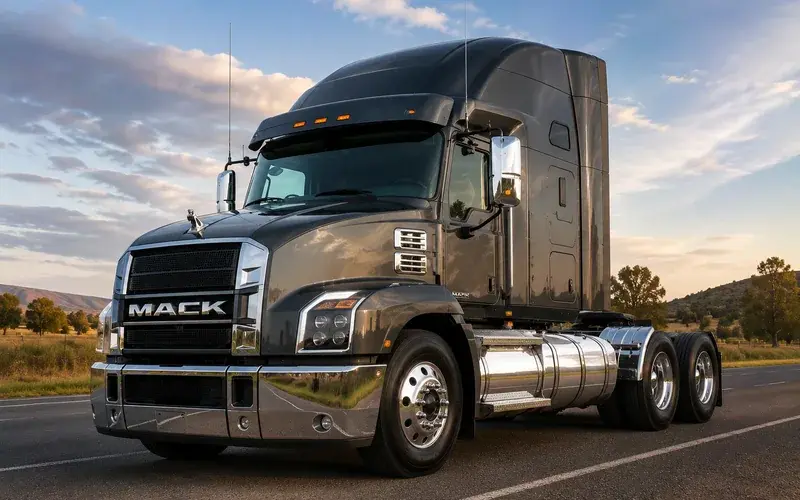
Equifund finances new and used trucks across all major brands, including Isuzu, Hino, Fuso, Kenworth, Volvo, Scania, Mercedes-Benz, DAF and Mack, from light rigids through to prime movers. The brand matters less than the asset’s age, condition and how it earns for your business.
How Equifund Can Help
Equifund works with a wide panel of specialist lenders across banks, specialist financiers and private funders, so we match the structure to your business rather than squeezing you into one bank’s appetite. For owner-operators and fleets alike, that means competitive rates and sensible options on new and used trucks.
- Pre-approval in 24 hours
- No impact on your credit score to get a rate
- Finance amounts up to $2M
- Owner-operators, ABN holders and company structures welcome
Whether you are buying your first truck or growing the fleet, we will help you fund it the smart way. Get a Rate on Your Next Truck.
Sources: Reserve Bank of Australia, Cash Rate Target; ATO, Instant Asset Write-Off. Rates are indicative only and figures are current at the time of writing; they are confirmed by the lender at quote stage.
Disclaimer: This article is general information only and does not constitute financial, tax or legal advice. It does not take into account your personal circumstances, objectives or needs. Equifund Financial Group is a commercial finance broker, not a registered tax agent or licensed financial adviser. Tax treatment depends on individual circumstances and current ATO rules. Confirm with your accountant before relying on any tax position. All finance is subject to lender credit assessment, terms and conditions. Rates, lead times and product availability are indicative and current at time of writing, and may change. Market figures, sales data and forecasts cited reflect publicly available data at the time of publication.