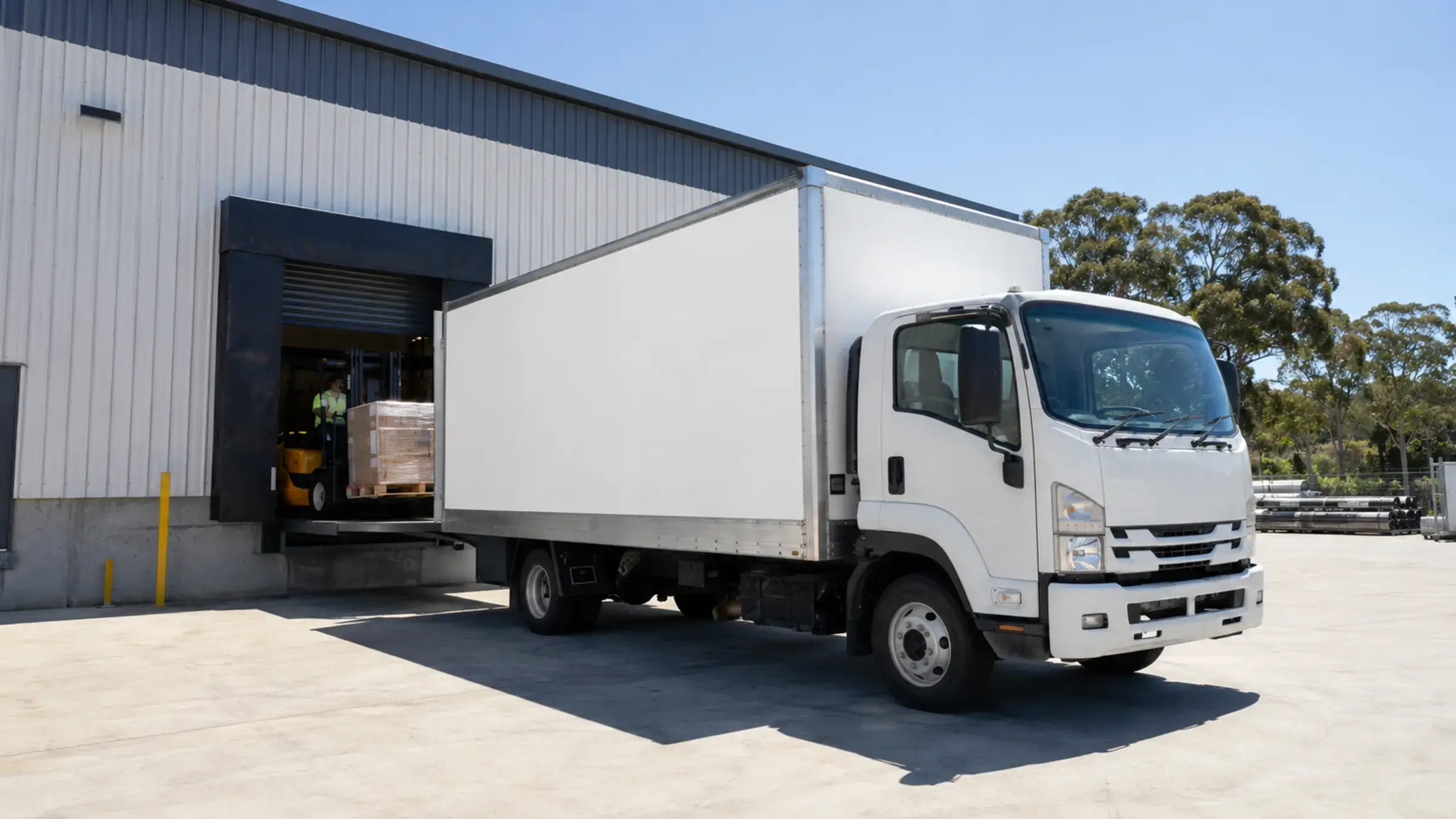

Manufacturing companies rely on trucks across the full supply chain: inbound raw materials, internal site logistics and outbound finished goods delivery. Financing rather than purchasing trucks outright keeps capital available for production capacity and capital. This guide covers the finance structures, credit criteria and fleet options most relevant to Australian manufacturing businesses. This is general information only and does not constitute financial or tax advice.
What Truck Finance Options Suit Medium Manufacturing Companies?
Medium manufacturing businesses typically use two structures depending on the asset and how long they plan to hold it:
- Chattel mortgage for trucks they hold for the full working life. Immediate ownership, upfront GST claim and access to depreciation deductions.
- Finance lease for vehicles they cycle every three to five years. Off-balance-sheet treatment, fixed monthly payments and end-of-term flexibility to hand the truck back, buy it out or upgrade to a new model.
Many manufacturing operations combine both: chattel mortgages on core rigid trucks and semi-trailers with finance leases on lighter delivery vehicles that are refreshed more frequently. See the best truck finance options in Australia for a full structure and lender comparison.
How Do Manufacturers Choose Between Truck Leasing and a Chattel Mortgage?
The key questions are: do you want to own the truck, and when do you want to claim the GST?
| Factor | Choose chattel mortgage | Choose finance lease |
|---|---|---|
| Ownership | Immediately | Optional at end (residual) |
| GST claim | Upfront in full | Across payments |
| Balance sheet | On balance sheet | Off balance sheet |
| Depreciation | Claimable by you | Lender depreciates; payments deductible |
| End-of-term plan | Keep or sell | Return, buy out or refresh |
Your accountant is the right person to confirm which structure suits your entity's tax position and reporting requirements. This is general information only.
Which Trucks Do Manufacturing Businesses Commonly Finance?
Common truck types financed by Australian manufacturing businesses include:
- Rigid trucks and semi-trailers for raw material delivery and finished goods distribution
- Curtainsiders and tautliners for pallet freight and fast-moving consumer goods
- Refrigerated trucks for temperature-controlled supply chains (food manufacturing, pharmaceutical)
- Flatbed and drop-deck trailers for oversized equipment or construction materials
- Light commercials and vans for local deliveries and site logistics
Each vehicle type has a different lender pool. A broker with a wide panel can match each asset to the lender most suited to that truck's type, age and the business's credit profile.
How Does a Consistent Revenue Cycle Affect Manufacturing Truck Finance?
Manufacturing businesses with stable, predictable revenue are among the most favourably assessed truck finance applicants. Consistent monthly turnover, long-standing customer contracts and clean bank statements signal reliable debt-servicing capacity, which typically translates to prime rates and straightforward approval timelines.
Key signals lenders look for in manufacturing applications:
- Consistent month-on-month revenue in business bank statements
- Strong creditor and debtor management (short debtor days, no extended overdraft use)
- Stable trading history of two or more years
- Low or manageable existing finance commitments relative to revenue
Can Manufacturing Companies Finance a Mixed Fleet of New and Used Trucks?
Yes. A multi-unit application can include a mix of new and used trucks across different makes, models and vehicle types. Each unit is assessed against the lender criteria most suited to its profile, and the application can be split across multiple lenders where needed to manage individual lender exposure limits.
For a step-by-step breakdown of multi-truck fleet applications, read the full guide to financing a multi-truck fleet upgrade in Australia.
What Is the Best Finance Structure for a Manufacturing Fleet Upgrade?
When upgrading three or more trucks at once, packaging the application under a single coordinated submission often delivers better pricing and fewer credit enquiries than applying truck by truck. Manufacturing businesses also benefit from aligning fleet upgrades with the end of finance terms on existing vehicles, creating a natural swap cycle that minimises total fleet cost.
A pre-approval covering the full fleet budget lets the business approach dealers and suppliers with confirmed capacity before committing to specific units. Apply at equifund.com.au/truck-finance or call 1300 464 805.
What Credit Profile Do Lenders Expect From Manufacturing Businesses?
Prime lenders typically want to see:
- Two or more years of ABN trading history
- Two years of business tax returns or financial statements
- Three months of business bank statements showing consistent revenue
- Clean director credit history
- Total finance commitments that are manageable relative to business revenue
Manufacturing businesses with complex group structures, holding companies or trust entities should confirm which lender in the panel is most comfortable with their structure before applying.
How Do Manufacturing Companies Get Fleet Pricing on Truck Finance?
Fleet pricing is available when three or more vehicles are packaged in a single credit submission. The presentation of the application matters: a well-structured submission that clearly shows the business profile, the fleet's total value and the planned repayment structure is more likely to attract competitive fleet pricing than a bundle of individual applications submitted separately.
Equifund's wide lender panel includes specialist fleet lenders that offer dedicated manufacturing fleet products not available through individual truck applications. Call 1300 464 805 to discuss your fleet upgrade with a commercial finance specialist.
Line up your finance before you commit. Compare trucks for sale from verified dealers nationally, then run your numbers on the Finance Calculator.
Frequently Asked Questions
What truck finance options suit medium manufacturing companies in Australia?
Medium manufacturing companies most commonly use chattel mortgages for trucks they hold long term and finance leases for vehicles they cycle on a scheduled basis. The choice depends on whether the business wants to own the truck, its GST position, and whether keeping the asset on or off the balance sheet matters. A broker can model the total cost across both structures for your specific situation.
How do manufacturing companies choose between truck leasing and a chattel mortgage?
Manufacturing businesses that hold trucks for their full working life typically favour a chattel mortgage for the upfront GST claim and depreciation access. Businesses that cycle trucks every three to five years to maintain capacity and reliability often prefer a finance lease, which keeps the asset off the balance sheet and makes repayments fully deductible over the term. Your accountant can model which structure delivers the better tax outcome.
Can manufacturing companies finance a mixed fleet of trucks and vans?
Yes. A multi-unit application can include a mix of heavy trucks, light commercials and vans used in the manufacturing supply chain. Each unit is assessed against the lender criteria most suited to its type and age. Packaging the fleet in a single submission often delivers fleet pricing on rates and fees compared to applying for each vehicle separately.
What truck types do manufacturing businesses commonly finance?
Manufacturing businesses commonly finance rigid trucks and semi-trailers for raw materials and finished goods transport, curtainsiders and refrigerated trucks for product delivery, tautliners for pallet freight, and light commercial vehicles for internal site logistics. Equifund's panel covers all these asset types across new and used, dealer and private-sale purchases.
Does a consistent revenue cycle help manufacturing businesses get truck finance?
Yes. Lenders weight predictable, consistent revenue favourably because it signals reliable debt-servicing capacity. Manufacturing businesses with stable contract revenue, long-standing customer relationships and clean banking history tend to qualify for prime rates and straightforward approval. A broker can use this profile to negotiate competitive terms across multiple lenders in the panel.
What is fleet pricing on truck finance and how do manufacturing companies access it?
Fleet pricing refers to discounted rates and reduced fees available on applications covering three or more vehicles submitted together. Lenders offer fleet pricing because multi-unit applications are more efficient to process and represent a larger, lower-risk transaction. A broker who packages the application correctly and presents it to the right lenders is the most reliable way to access fleet pricing for a manufacturing business.
What credit profile do lenders expect from manufacturing truck finance applicants?
Lenders typically want two or more years of ABN trading, two years of business financial statements or tax returns, three months of business bank statements showing consistent turnover, and a clean director credit history. Existing finance commitments are assessed relative to revenue. Manufacturing businesses with long trading histories and consistent financial performance are well placed for prime lender approval.
Can a manufacturing company finance a truck with a balloon repayment?
Yes. A balloon repayment reduces the regular monthly payment during the term and defers a lump sum to the end. Manufacturing businesses often use balloons on trucks they plan to trade in at the end of the term, using the trade-in value to cover or offset the balloon. The balloon amount is set as a percentage of the asset value at origination, subject to lender limits.
What documents are needed for manufacturing company truck finance?
Standard applications require two years of business tax returns or financial statements, three months of business bank statements, details of each vehicle being financed, and director identification. Manufacturing companies with complex group structures may need additional entity documents. Low-doc options are available but are less commonly needed for established manufacturing businesses with complete accounts.
How long does manufacturing truck finance take to settle?
Settlement for manufacturing truck finance typically takes 24 to 72 hours for straightforward single-vehicle applications with complete documents. Multi-unit fleet applications may take three to seven business days. Pre-approval is usually available within one business day, which allows manufacturing businesses to approach dealers or private sellers with confirmed finance capacity.
Can manufacturing businesses finance trucks through a company trust structure?
Yes. Most commercial truck lenders in Australia fund applications in trust, company or partnership structures. The trustee or company directors are typically required to provide personal guarantees. Applications through trust structures may require additional documents including the trust deed. A broker can confirm which lenders on the panel work comfortably with your specific entity structure.
Is $0 deposit available for manufacturing company truck finance?
Yes. $0 deposit options are available for manufacturing businesses with a strong financial profile, clean credit history and trucks that meet the lender's age and condition criteria. Some lenders require a deposit on older trucks or high-kilometre assets. Equifund can advise which lenders in its panel offer $0 deposit for your situation.
How Equifund Can Help
Financing a truck or a whole fleet is where a broker earns its keep. Instead of taking whatever one bank offers, Equifund works across a wide panel of specialist lenders and matches your business and each asset to the lender most likely to fund it on the best terms.
- Pre-approval in 24 hours
- No impact on your credit score to get a rate
- Finance amounts up to $2M
- Owner-operators, ABN holders and company structures welcome
Ready to get started? Apply Now or run the numbers on the Finance Calculator.
Any rates, thresholds, terms and timeframes mentioned are indicative only and depend on lender credit assessment and current ATO rules at the time you apply. Confirm your own position with your accountant and at quote stage before relying on them.
Sources: Truck Industry Council (T-Mark truck sales). Figures are current at the time of writing and may change.
Disclaimer: This article is general information only and does not constitute financial, tax or legal advice. It does not take into account your personal circumstances, objectives or needs. Equifund Financial Group is a commercial finance broker, not a registered tax agent or licensed financial adviser. Tax treatment depends on individual circumstances and current ATO rules. Confirm with your accountant before relying on any tax position. All finance is subject to lender credit assessment, terms and conditions. Rates, lead times and product availability are indicative and current at time of writing, and may change. Market figures, sales data and forecasts cited reflect publicly available data at the time of publication.